Why now is a good time to check the interest rates you're currently paying
 Chris Taylor
|
February 6, 2026
Chris Taylor
|
February 6, 2026 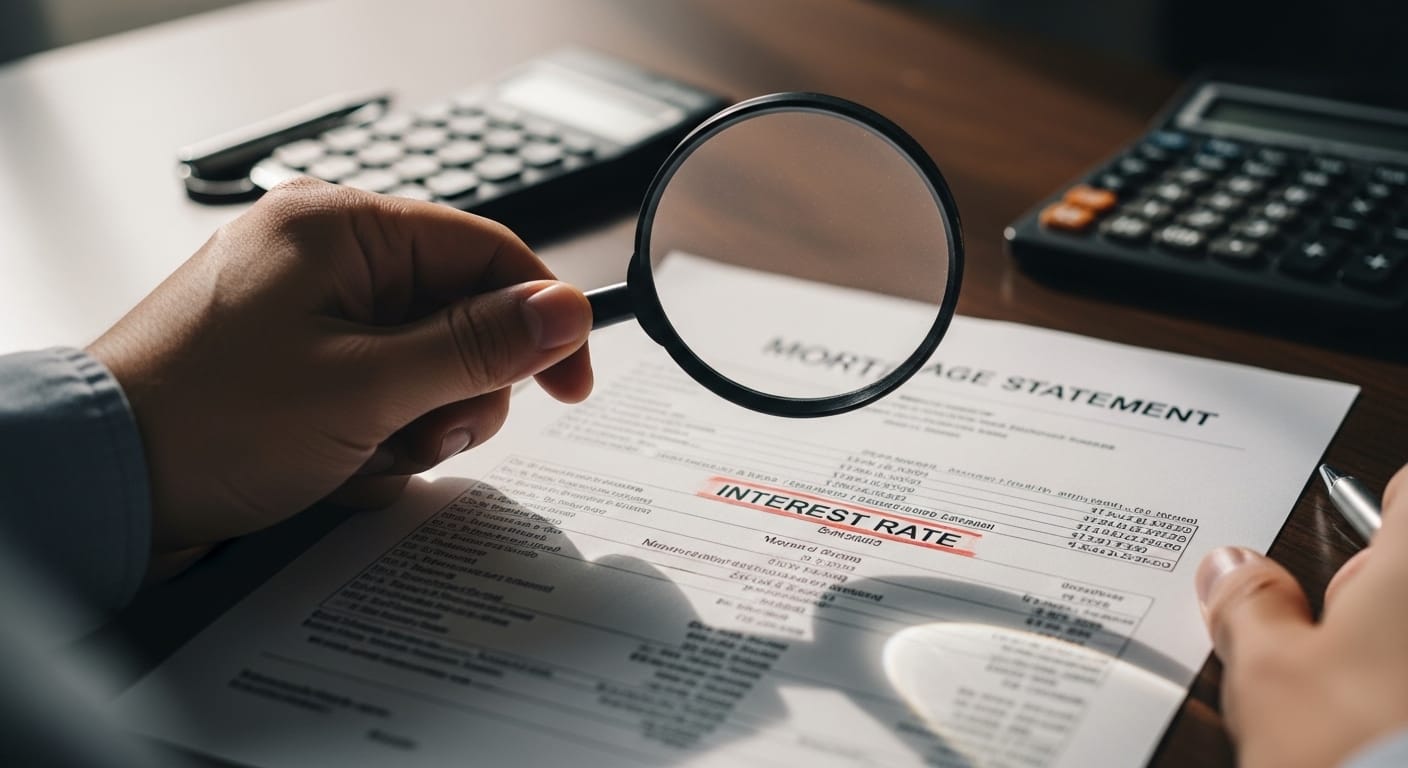
As a lot of conversation happens around what would be the effects of a 10% cap on credit-card interest rates, the debate brings up a critical point: What are the rates in your own life?
Whether we’re talking about what you’re paying on your mortgage or car loan, or what you’re getting on your savings, these are extremely important numbers that are actively shaping what your future is going to look like.
And yet, many people are not even aware of where they stand.
“With all the talk about credit card rate caps, it’s a good reminder for people to check the rates across their financial life,” says Joon Um, a financial planner with Secure Tax & Accounting in Beverly Hills, Calif.
“We usually suggest a simple annual review: What your cash is earning, what your debt is costing, and whether your mortgage rate still makes sense. Even small differences add up over time.”
That’s the key point. Whatever your rates are currently, it’s very possible you could do even better – paying out less on debt, or earning more on savings – if you just put in the research. Even small improvements, compounded over years, can be a game changer for your retirement prospects.
Since rates have been drifting down with Federal Reserve cuts, borrowers now have a little breathing room. This year could potentially see three more quarter-point declines, estimates Bankrate senior industry analyst Ted Rossman, bringing the range down to 2.75-3% by the end of the year.
To optimize your own financial situation, you need to know what your rates are currently. But according to one Bankrate report, 43% of people aren’t even aware of the rate on the balances they’re carrying. Among Gen Z, that figure rises to 50%.
That should change and now is an excellent time to do so: The so-called ‘Fresh Start Effect,’ which is behind our obsession with New Year’s resolutions, can offer powerful motivation to make our finances better than ever this year.
Some areas where you would be wise to do a 2026 rate check:
-Mortgages. Thanks to the recent Fed campaign to trim interest rates, amidst moderating inflation, mortgage rates have finally begun to head south. The current average for a 30-year fixed was 6.12%, as of the end of January, the lowest level in more than a year. That’s roughly where they should stay for the rest of 2026, predicts Rossman.
So if you took out a mortgage at a significantly higher rate than that, refinancing could now be an option. The general rule of thumb is that a differential of more than 1% makes it worth your while to refinance and reduce those monthly payments.
-Savings. Odds are you are earning less on your cash than you realize. The average savings account is offering just .61%. Large institutions often pay virtually nothing, at .01%. And interest-bearing checking accounts are also surprisingly paltry, at .07%.
Compare that with many online or mobile-only financial solutions, which offer significantly higher rates. On Current, members can earn up to a 4.00% annual bonus on the money in their Saving Pods, and members can automate their savings with round-ups that move a portion of money from every purchase into the designated Savings Pod. With Savings Pods, which are essentially digital wallets, members can also easily move money from their spending balance to their Pods (or vice versa) without transaction limits.
-Car loans. The average APR for new-car financing stood at 6.7% in 2025’s fourth quarter – down slightly, but still near historic highs, according to auto information source Edmunds. The result is that monthly payments on new cars are now at the highest levels ever recorded.
Since auto-loan rates are still lofty, refinancing probably isn’t going to come to your rescue. The better strategy is to rein in your ambitions before you even sign on the dotted line: Consider a more modest vehicle, ideally used, with a large down payment so you’re not financing as much of the purchase.
-Credit cards. The idea of a 10% rate cap on credit cards may or may not ever take effect. But the current average is almost double that, at 19.62%, according to the latest data. Among store cards – the likes of which you are offered at the checkout at retailers – that rate soars even higher, to above 30%.
These rates are so punishing that it can be difficult to make a dent in your debt, especially if you are just paying monthly minimums. One common response is to consider balance-transfer offers, where you can shift what you owe to another card and typically enjoy a 0% introductory rate.
Another smart strategy is to shift to secured charge cards, like Current’s Build Card. With the Build Card, members can only spend the amount of money available in their accounts, which are held in reserve to pay a member’s bill each month. These monthly bill payments then are reported to the three major credit bureaus (Equifax, Experian ad TransUnion), which can help build your credit history while minimizing risks of debt. Members have an average credit score increase of 81 points six months after using the Build Card.
Remember that it doesn’t take a lot of heavy lifting for your finances to improve dramatically. But it starts with knowledge -- so that you can evaluate exactly where you are, and identify which rates can alter your monthly budget for the better.
“Moving idle cash to high-yield savings, focusing on the highest-interest debt, and reassessing loans can quietly improve cash flow without major changes,” says Um. “Often, just avoiding the worst rates is the biggest win.”
Suggested Reading