How to holiday shop when you're on a tight budget
 Mallika Mitra
|
November 18, 2026

The most reliable way to holiday shop on a tight budget is to decide what you can afford before you buy anything, assign a spending limit to each person on your list, and then use sale timing, teamwork, and rewards to stretch that money further. You do not have to overspend to give gifts people love. The seven tips below, drawn from retail expert Trae Bodge and etiquette expert Diane Gottsman, walk you through how.
Between holiday parties, hosting family and friends, traveling, and grocery hauls for special meals, the holidays can be stressful when money is tight. That is especially true for gift giving, when you want to buy your loved ones an item or experience they will enjoy. With inflation still high, that pressure may feel heavier this year.
If you are looking for ways to save, you are not alone. Eight in ten consumers plan to adopt a budgeting strategy this holiday season, according to PxC’s report on holiday spending trends. Still, consumers expect to spend $708 on average this year. If you want to trim that figure for yourself, start with the seven tips below.
1. How much should you spend on holiday gifts?
Spend what your own budget allows, not what a general rule says you should. Retail expert Trae Bodge, co-founder of the Threadneedle Alley Foundation, says the question "how much should I spend?" comes up every holiday season, and the right answer depends on your finances.
“A $50 gift to your Mom might be what you can afford, while another shopper can afford $500,” Bodge says.
Here is how Bodge suggests building a holiday gift budget:
- Look at what you can afford to spend on gifts as a whole.
- Decide how much of that total goes to each recipient, starting with the most expensive gifts. That usually means family first, then best friends, good friends, and gifts for hosts and teachers.
- Write it down. “Make a list with recipients and a budget for each. Stick to that budget,” Bodge says.
- If you tend to pick up an item here and there for yourself while shopping, add yourself to the list so those purchases are planned, not accidental.
2. How do you talk to family and friends about gift expectations?
Bring it up early and be honest about what giving will look like for you this year. Most concerns about holiday gift giving can be avoided by simply communicating with the people on your list before the shopping starts.
For example, if you are traveling to visit relatives, you can explain that because you are coming to them, much of your gift money will go toward the flight or gas, and that their gift to you can be hosting.
“If somebody brings it up, other people are going to be grateful,” says Diane Gottsman, a national etiquette expert and founder of the Protocol School of Texas.
Gottsman adds that many families decide to create a pool of the adults so each person picks one name to shop for. That way, you buy one gift instead of several. The same idea works at the office: if you feel the need to buy gifts for coworkers, you can suggest a “Secret Santa” exchange, where everyone anonymously submits their name and draws one person at random to buy for.
3. Do thoughtful holiday gifts have to be expensive?
No. The best gifts often are not the most expensive ones, and a personal touch usually matters more than the price tag.
“More importantly than the gift is the memory,” Gottsman says. “If you look back and think about special holiday memories, we're not really thinking about the gift unless it was something very, very thoughtful or momentous.”
A thoughtfully written, handmade card can make a bigger impact than a pricier item the recipient may never use, like candles or body cream, Gottsman adds. Bodge agrees that when gift giving happens in a group setting or follows a social norm, like buying for coworkers, a hostess, or a teacher, it is less about how much you spend and more about the gift itself.
“You never want to give a gift that looks like you bought it at a dollar store,” Bodge adds. “But if you find something at a discount store that looks deceptively special, or a gift that you can jazz up at home, that’s a win.”
4. When are the best sales for holiday shopping?
The biggest holiday savings come from waiting for major sale moments like Black Friday, Cyber Monday, and December clearance sales, Bodge says. Retailers want to get you in the door around the holidays, and steep discounts are a common way to do that.
You can also shop sales throughout the year instead of waiting for the holiday rush. If this year's early sales have already passed, take note of events like Labor Day sales and plan to shop ahead for next year's gifts.
Another way to be ready for holiday spending, and to jump on a sale when you see one, is to save for the holidays specifically. With Current’s Savings Pods, you can set money aside for specific goals such as holiday shopping, and you can earn up to a 4.00% annual bonus.
5. Is it okay to buy the same gift for multiple people?
Yes, and it can save you money. Stores often offer lower prices when you buy more than one of an item. Think about how many times you have seen a deal like “buy two, get one free.”
There is nothing wrong with giving several people the same gift, Gottsman says. If you find something you know multiple people in your life will love, buying in bulk is a smart way to save.
Use some judgment, though. It likely does not make sense to give your spouse the same gift you are buying a distant friend or coworker.
“But if you know you have three best friends who are going to love [the gift], why not?” Gottsman adds.
6. Can you split the cost of a holiday gift with others?
Yes. You do not have to buy every gift on your own, and teaming up with friends or family often leads to a better gift than each person could afford alone. If you have siblings, for instance, you can all chip in on one gift for your parents, like a gift card to a restaurant they love.
“That’s a better gift than getting three gifts that they might not like,” Gottsman says.
7. How can loyalty programs and rewards cards save you money on holiday shopping?
Free loyalty programs at your favorite retailers often come with exclusive savings, Bodge says. Sephora's Beauty Insider program, Target Circle, and IKEA Family are just a few examples. Signing up costs nothing and can unlock discounts you would not see otherwise.
Bodge also recommends paying with the card that gives you the best benefits, such as points or miles, so you earn rewards while you shop. You may be able to put past points toward this year's gifts, and your credit cards may also offer exclusive retailer deals worth checking before you buy.
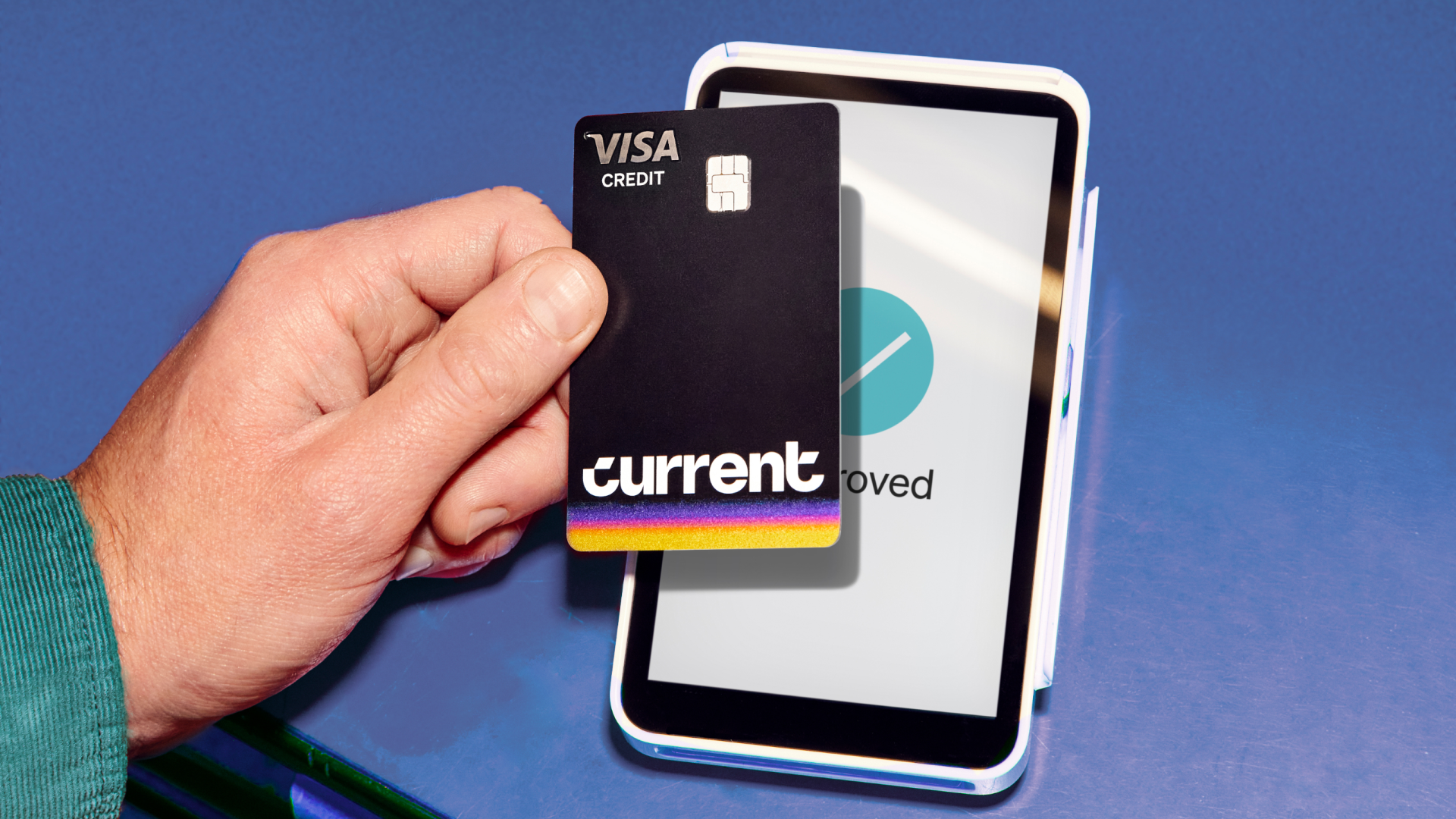
Another option is a secured charge card like Current's Build Card, where members can earn 1x points on purchases in selected categories, and earn up to 3x more points with a Current Max subscription*. Those points are then redeemable for cash back.
*For eligible Current Max Subscribers only. To earn 3x Points/dollar, you must receive at least one Eligible Payroll Deposit equalling a minimum of $200 over a 35-day period (otherwise you will earn 2x Points/dollar), and as applicable, make Build Card purchases at retailers whose merchant code is classified as either (i) Dining (e.g., restaurants) and Groceries (e.g., supermarkets) or (ii) belonging to the category or categories selected in the app, and complete other actions that Current may designate. Allow 3-5 business days for Points to post to your Current account. Points expire 365 days after they settle. To learn more, read the Current Points Terms and Conditions.
Suggested Reading